
Top-Rated Tools and Products For Asbestos Abatement Projects
Get insights into the most effective and trusted products to handle asbestos removal safely and effectively.
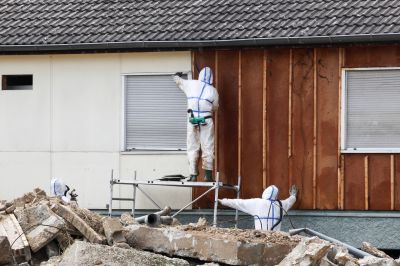 Handling asbestos removal requires careful selection of specialized products designed to ensure safety and efficiency during the process. Asbestos fibers are hazardous when disturbed, so using appropriate equipment and protective gear is essential. The right tools can help contain fibers, prevent contamination, and facilitate proper disposal. From protective clothing to containment barriers, there is a variety of products tailored to different removal scenarios. Understanding the features and functions of these products can assist in planning a safe removal process.
Top Overall Option
Comprehensive Asbestos Removal Kit
A complete asbestos removal kit typically includes a combination of protective gear, containment materials, and specialized tools designed for safe removal. Such kits often feature HEPA-filtered vacuums, disposable coveralls, respirators, and containment barriers, providing a comprehensive solution for professionals and trained DIYers. They are designed to streamline the removal process, ensuring safety and compliance with regulations, while offering versatility for various project sizes.
Types of Products For Asbestos Removals
HEPA Vacuum Cleaners
HEPA vacuum cleaners are essential for safely removing asbestos fibers from surfaces without releasing them into the air, often used in conjunction with other containment measures.
Personal Protective Equipment
Includes respirators, disposable coveralls, gloves, and eye protection to safeguard workers from asbestos fibers during removal.
Containment Barriers
Plastic sheeting and barriers are used to isolate the work area, preventing fiber spread to other parts of the building.
Wetting Agents
Chemical solutions applied to asbestos materials to reduce fiber release during disturbance.
Negative Air Pressure Units
These units create a vacuum environment to contain airborne fibers within the work zone, ensuring minimal contamination.
Encapsulation Products
Sealants and encapsulants used to contain asbestos fibers, preventing their release into the environment.
Asbestos Removal Masks
High-filtration masks designed specifically for asbestos removal work to protect respiratory health.
Disposal Bags and Containers
Specialized labeled disposal bags for safe containment and transport of asbestos waste.
Sealing Tapes
Heavy-duty tapes used to seal containment barriers and disposal containers securely.
Dust Suppression Systems
Systems designed to minimize dust during removal, often using water or misting technology.
Work Gloves
Disposable or reusable gloves made from materials resistant to asbestos fibers for hand protection.
Inspection and Testing Kits
Tools and kits used to test surfaces and air quality before, during, and after removal to ensure safety.
Sealed Access Ports
Devices that allow safe entry and exit points in containment areas without fiber escape.
Chemical Encapsulants
Products applied to asbestos-containing materials to bind fibers and prevent disturbance.
Air Scrubbers
Portable units equipped with HEPA filters to clean the air within work zones during asbestos removal.
Disposable Coveralls
Single-use protective clothing designed to prevent fiber transfer outside the work area.
Worksite Signage
Warning and informational signs to alert others about asbestos removal activities and hazards.
Popular Choices
Widely used for their filtration efficiency in removing asbestos fibers from surfaces and air.
Complete protective clothing kits including coveralls, masks, gloves, and boot covers for comprehensive safety.
Heavy-duty plastic barriers for effective area isolation during removal projects.
Portable HEPA-filtered air scrubbers used to maintain air quality during asbestos abatement.
Used for cleaning surfaces after asbestos removal to reduce residual fibers.
Single-use suits designed for worker protection during asbestos handling.
High-filtration masks suitable for asbestos removal tasks to protect respiratory health.
Tapes and labels used to secure containment and clearly mark asbestos waste.
Specialized bags for safe collection and transport of asbestos debris.
Products that chemically bind asbestos fibers to reduce disturbance risk.
Equipment creating negative pressure zones to contain airborne fibers during removal.
Tools used to verify the absence of asbestos fibers after removal.
Proper containment is a critical aspect of asbestos removal. Products such as negative air pressure systems and HEPA filtration units help create a controlled environment, minimizing the spread of fibers. Personal protective equipment including respirators, coveralls, and gloves also play vital roles in safeguarding workers. Additionally, specialized removal tools like chemical encapsulants, asbestos removal vacuums, and wetting agents can aid in reducing fiber release during disturbance.
Choosing the appropriate products depends on factors such as the extent of asbestos presence, the location of removal, and regulatory compliance requirements. It is important to select products that are compatible with each other and suitable for the specific removal context. Proper training and adherence to safety standards are equally important to ensure a safe and effective removal process. Whether for small-scale repairs or large-scale abatement projects, having the right products can make a significant difference in outcomes and safety.
Key Buying Considerations
- Regulatory compliance and certification of products to ensure safety standards are met.
- Compatibility of containment materials with the specific removal environment.
- Effectiveness of filtration systems in capturing asbestos fibers.
- Ease of use and setup of containment and removal equipment.
- Durability and resistance of protective clothing and gloves.
- Availability of replacement filters and accessories for equipment.
- Ease of disposal and labeling options for asbestos waste products.
- Portability and storage requirements of equipment for different project sizes.
- Training requirements for proper use of specialized products.
- Cost considerations balanced with product quality and safety features.
- Product reviews and user feedback for reliability and performance.
- Compatibility with existing safety protocols and personal protective gear.
- Availability of technical support and customer service from suppliers.
- Environmental conditions of the work site that may influence product choice.
- Potential need for testing and inspection kits to verify removal effectiveness.